

Resistance Spot Welding Machines in Malaysia
Spot welding machines are widely used across industries as an efficient method for joining metal parts using electrical resistance. The process works by directing a burst of electric current through a specific point on the metal, generating heat that melts and fuses the materials together.
Compared to traditional welding methods, spot welding is faster and more precise, with heat focused only on small areas to minimize distortion. This makes it highly suitable for mass production where both speed and consistency are critical.
Common applications include joining thin metal sheets in automotive body panel assembly, electronics such as battery packs or manufacturing of household appliances. Ideal for precision welding in mass production, spot welding machines ensure high-quality results while maintaining high-volume welding tasks. Get the best spot welding machine in Malaysia from TSIS Welding Solutions.

Key Benefits
- Fast and Efficient Welding: Spot welding machines can weld materials in seconds, making them ideal for mass production which can reduce production time and increase overall output.
- Energy Efficient: Spot welding machines are energy-efficient, consume less energy compared to other welding methods like arc or gas welding making them an environmentally-friendly and cost-effective choice.
- Minimal Heat-Affected Zone (HAZ): The focused heat generated in spot welding produces minimal heat-affected zones (HAZ), which reduces the risk of warping or changing the metal’s structure around the weld area.
- Quality Control: Modern spot welding machines come with automated control systems that ensure repeatable and consistent welds. This is particularly important in industries like automotive manufacturing.
Functional Features
1Metal Joining
Spot welding is used to join two or more pieces of metal together by applying heat and pressure to a localized area.
2Adjustable Welding Parameters
Many spot welding machines offer adjustable settings for welding time, pressure, and current, allowing customization for different material types and thicknesses.
3Automatic or Semi-Automatic Operations
Modern machines come with automated features like robotic arms or manual controls, making them adaptable for both small and large production runs.
4Heat Control and Cooling Systems
Advanced spot welding machines are equipped with cooling mechanisms to maintain optimal operational temperature during welding processes.
Industries We Served
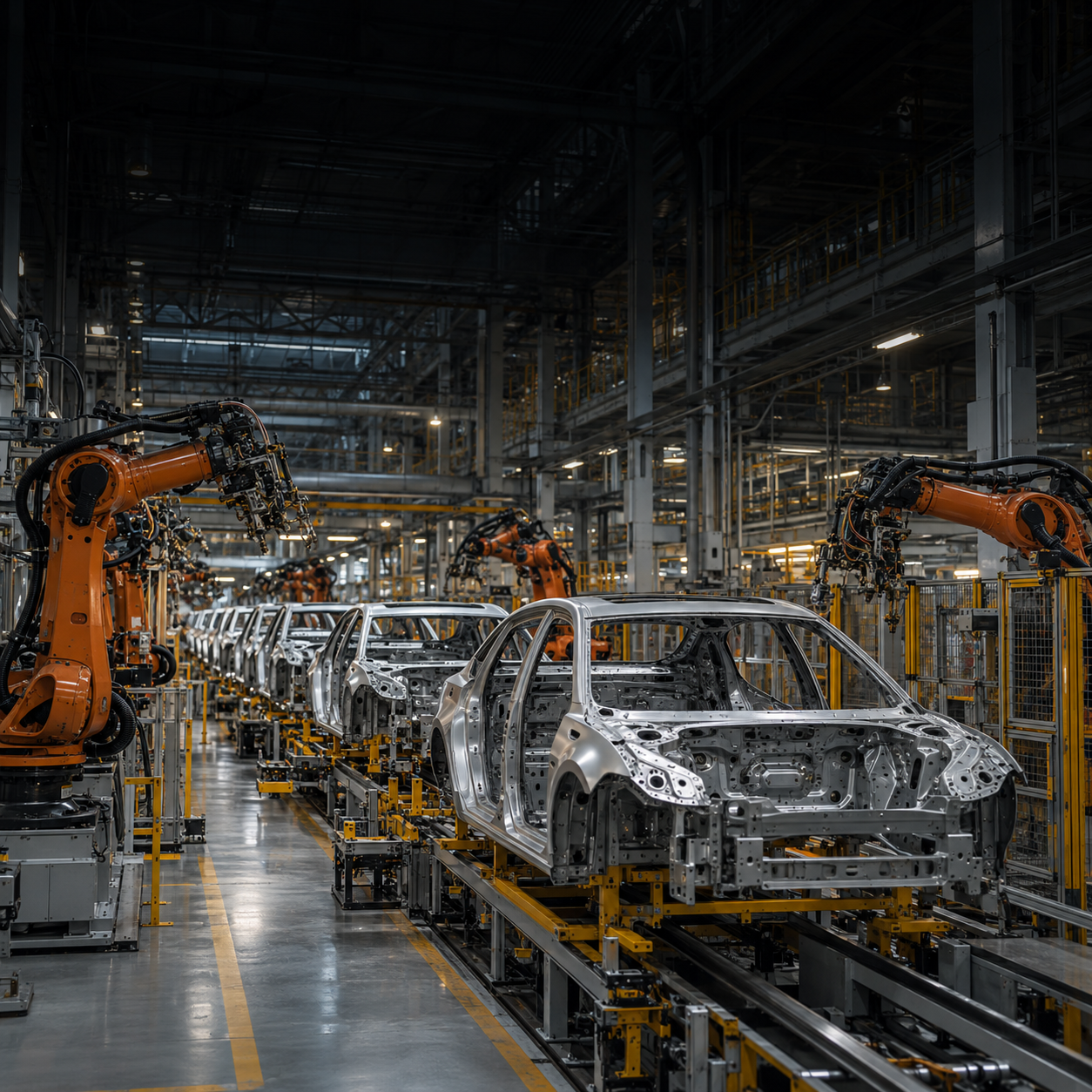 Automotive Manufacturing
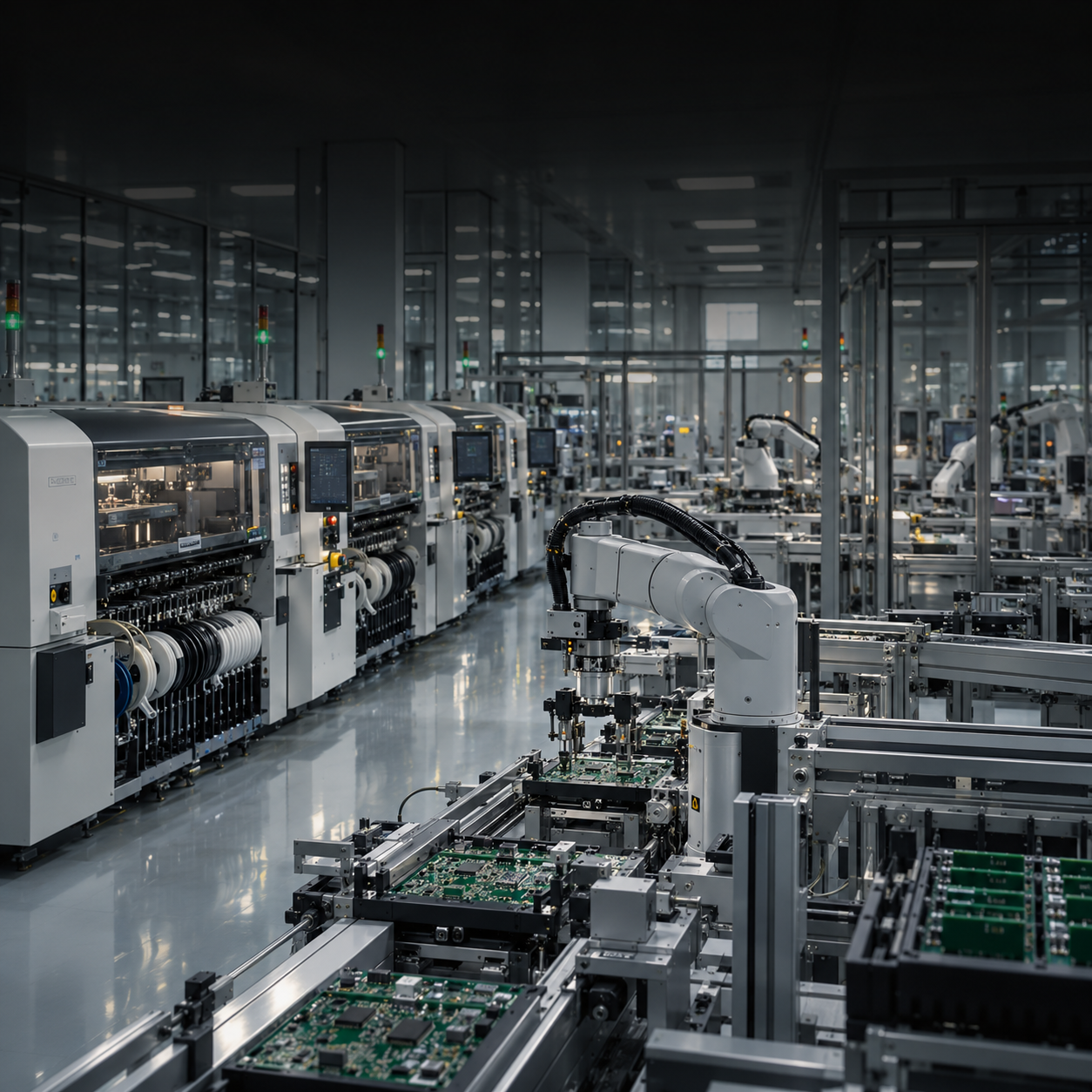 Electronics
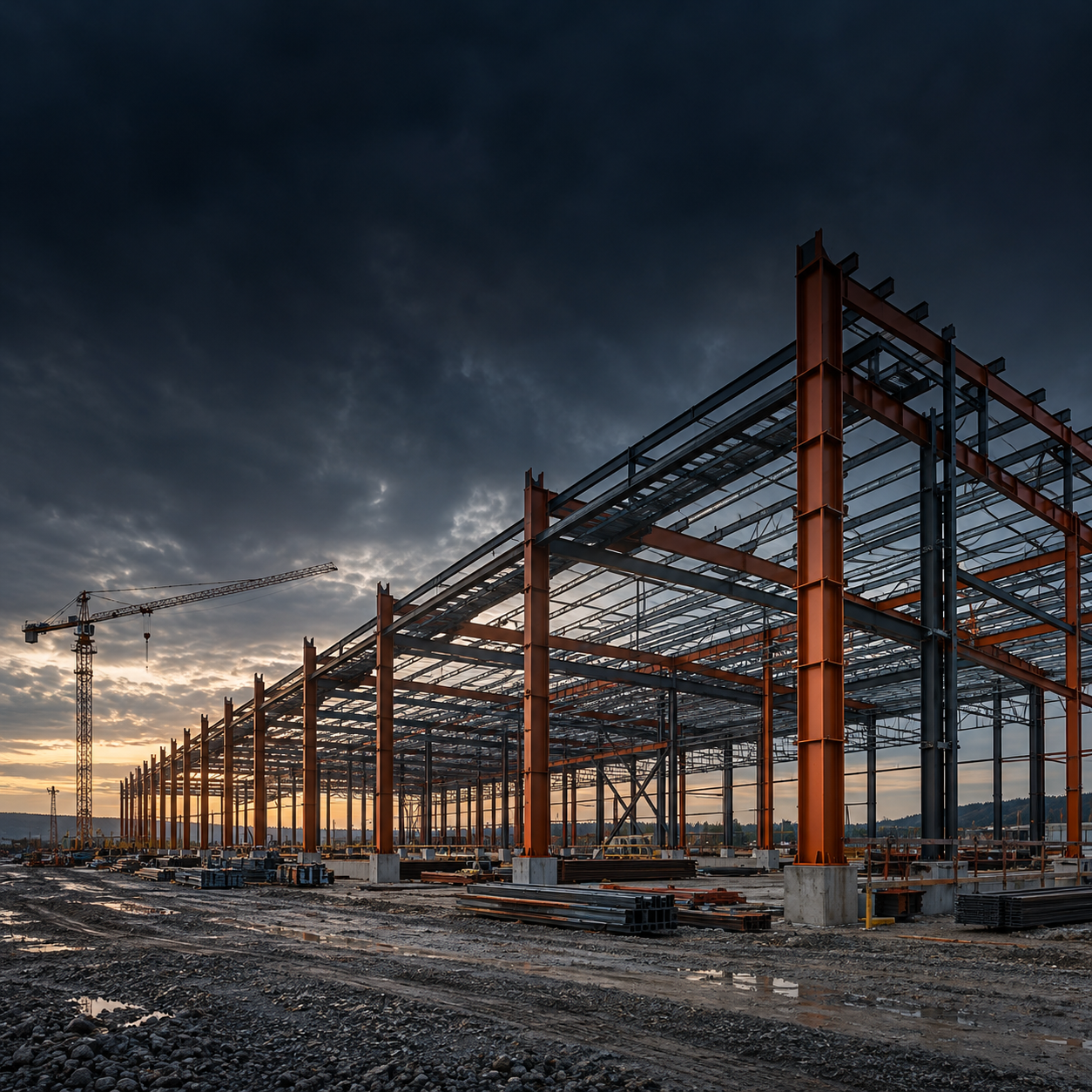 Construction and Heavy Machinery
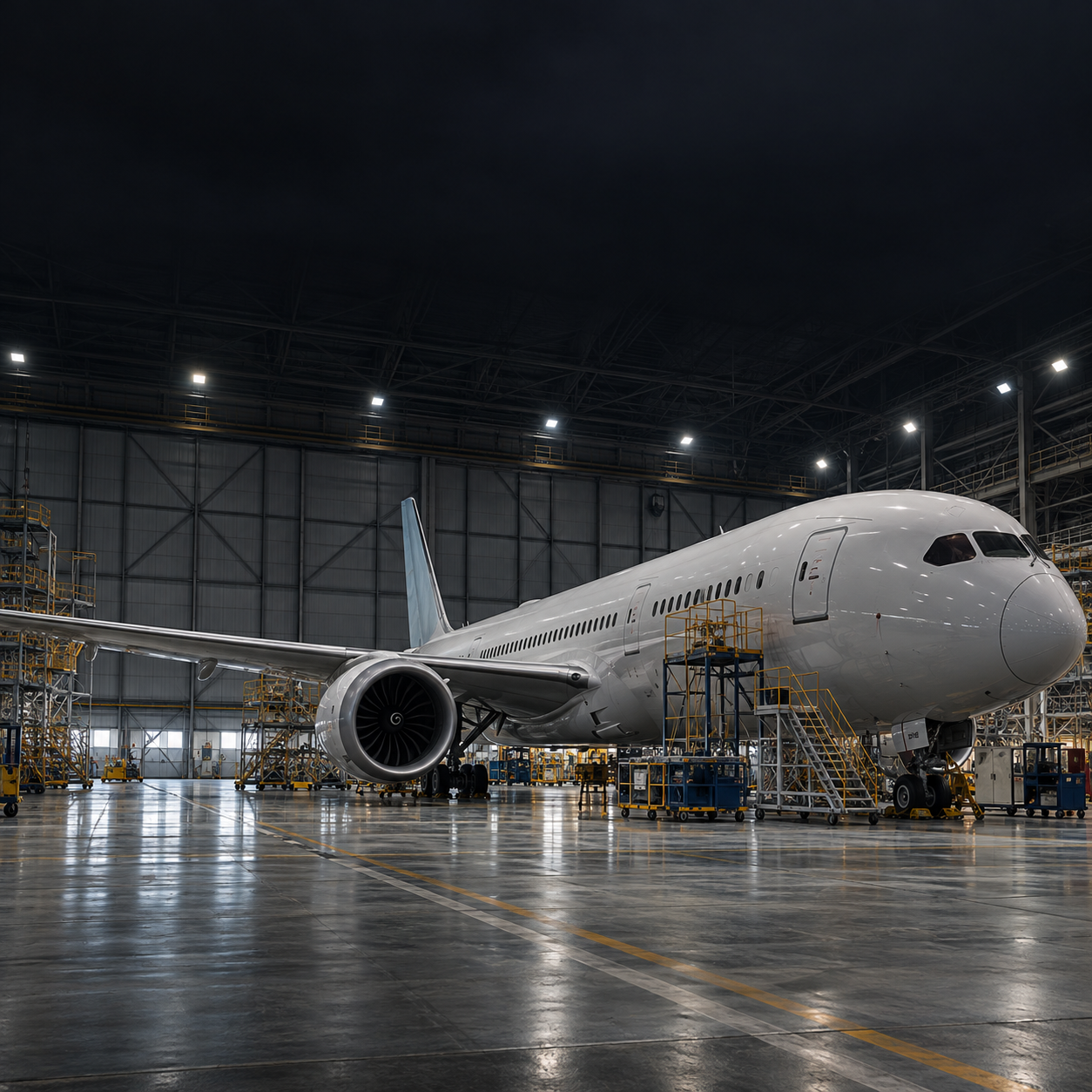 Aerospace
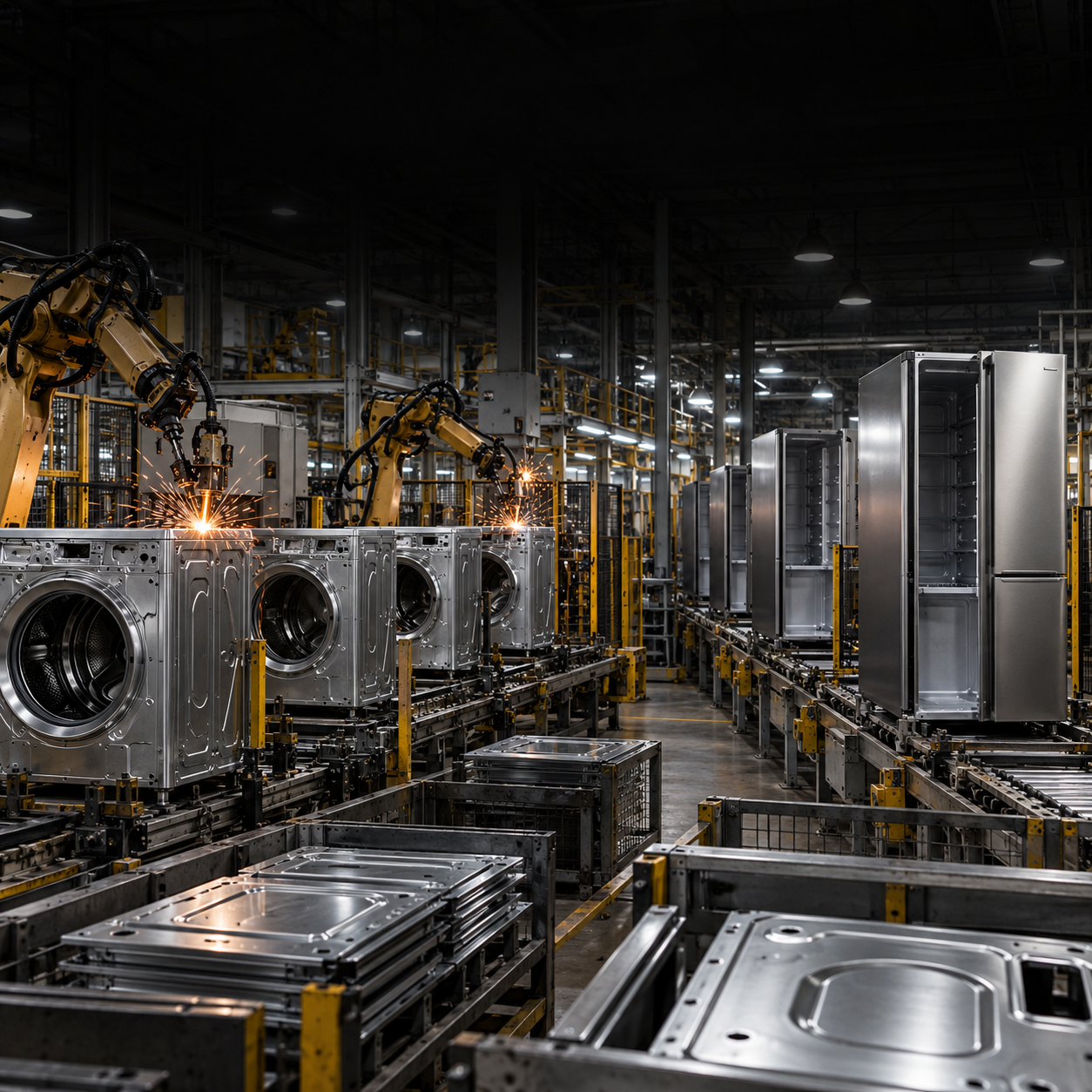 Manufacturing metal household appliances
Different Types Of Spot Welders
Standard Spot Welders
Ideal for general-purpose welding on thin to medium sheet metal. These are designed for general use in welding thin to medium-gauge materials. Ideal for automotive and household appliance manufacturers. Great for general use, these welders are perfect for car manufacturing, home appliances, and smaller metal parts.
Heavy-Duty Spot Welders
Designed for thicker materials, capable of handling demanding welding tasks with high power output. Built for welding thicker metals, these machines are often used in industries like construction and heavy equipment manufacturing. Designed for thicker materials, these are used for building large machinery and steel structures.
Portable Spot Welders
Compact models for flexibility in small-scale or mobile operations. These compact machines are ideal for smaller-scale operations or mobile applications where portability and flexibility are required. Smaller and easier to move around, portable welders are ideal for smaller jobs or work in tight spaces.
Robotic Spot Welders
Fully automated systems integrated with robotic arms for large-scale, high-speed manufacturing. Integrated with robotic arms, these machines offer full automation for high-speed, high-volume manufacturing lines. Robotic spot welders are commonly used in automotive manufacturing for body assembly. These machines are fully automated and can be programmed to weld large volumes of parts quickly, commonly used in car factories.