

Automatic Welding Machine Systems
An automated welding machine is a modern welding system that uses robotics, sensors, and programmed software to perform welding with minimal human involvement. Unlike manual welding, where quality depends heavily on the welder’s skill, automated welding delivers consistent, repeatable, and precise welds across all projects.
These machines are especially designed for industries that need high productivity, tight quality control, and reduced downtime. By combining robotics with advanced monitoring systems, automated welding ensures every weld meets the required specifications from small, intricate components to large industrial structures.
An automated welding machine is a smart welding system that does most of the work by itself. Instead of a welder holding the torch and welding by hand, this machine uses robot arms and computer programs to carry out the job. The result? Fast, clean, and consistent welds every single time no matter how many pieces you need.
Browse other welding machine equipment that suits your welding project – MMA welding machines, TIG welding machines, MIG welding machines.
What types of automatic welding machines?
Robotic Welding Systems – Applicable in large-scale work such as car manufacturing that requires repetitive work.
CNC Welding Machines – This is suitable to electronics and industries that need programmed control.
Gantry Welding Systems – Applicable to large projects such as ships and buildings.
Orbital Welding Machines – All purpose, 360 degree welds in piping and aerospace.
Hybrid Welding Systems – A combination of laser and arc welding which produces optimum strength and precision.

Key Benefits
- Unmatched Consistency – Every weld is uniform, reducing rework and defects. Can be customised to fit small workshops or large-scale production plants.
- Higher Productivity – Operates continuously with minimal breaks, meeting tight deadlines. Designed for non-stop, 24/7 operations.
- Cost Reduction – Saves on labour, reduces material wastage, and lowers long-term operational costs.
- Improved Safety – Limits human exposure to hazardous fumes, sparks, and high heat.
- Scalable Flexibility – Can be programmed for different welding patterns, sizes, and project demands. Suitable for both heavy-duty and fine-detail welding.
- Energy Efficiency – Optimised systems consume less energy, supporting sustainable production.
Functional Features
1Perform continuous welding with minimal supervision.
2Handle complex geometries and precise welding positions.
3Use real-time monitoring sensors to detect quality issues instantly.
4Integrate with automated production lines for seamless workflow.
5Execute multiple welding processes such as MIG, TIG, and Spot Welding.
Industries That Benefit from Automated Welding
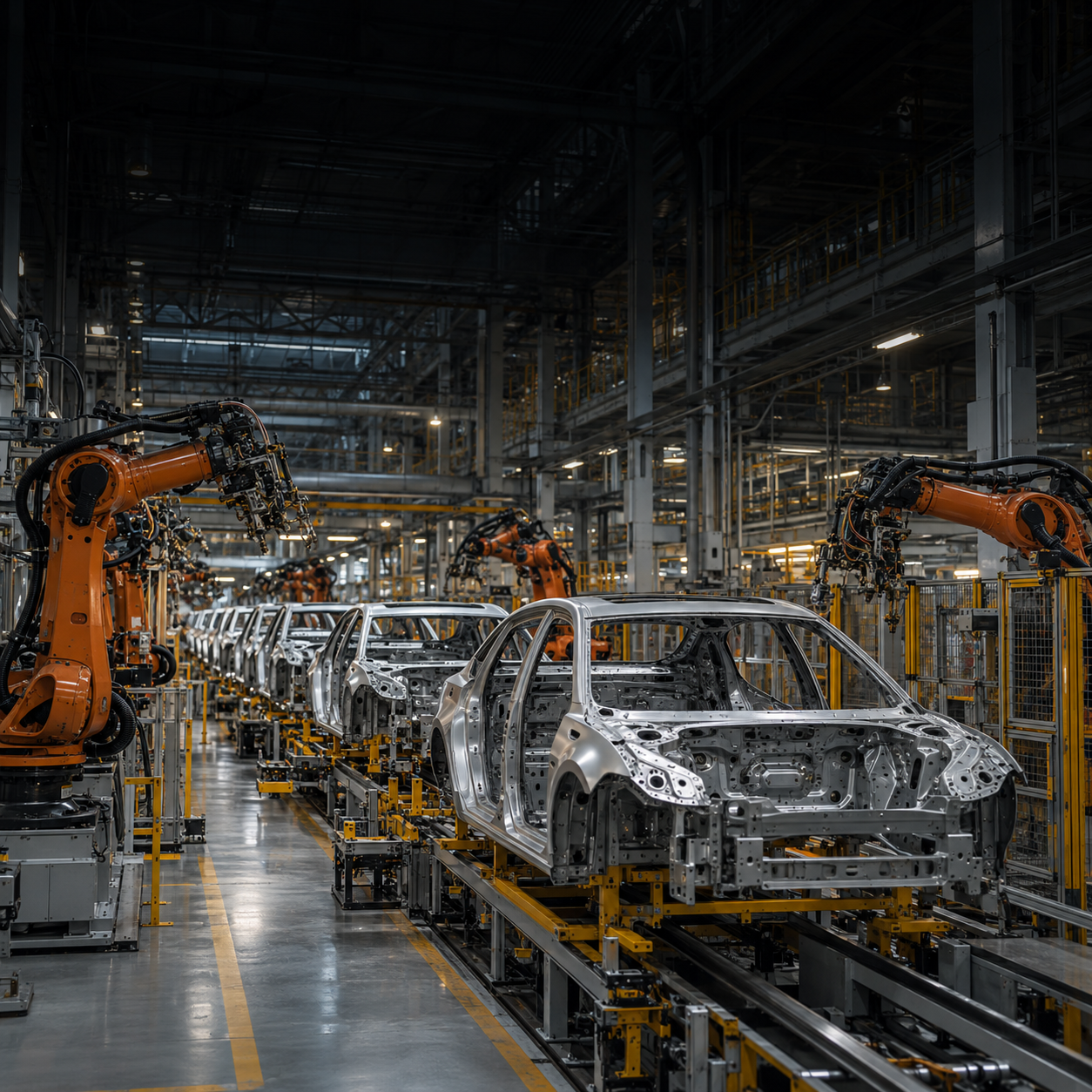 Automotive Industry
 Shipbuilding & Offshore
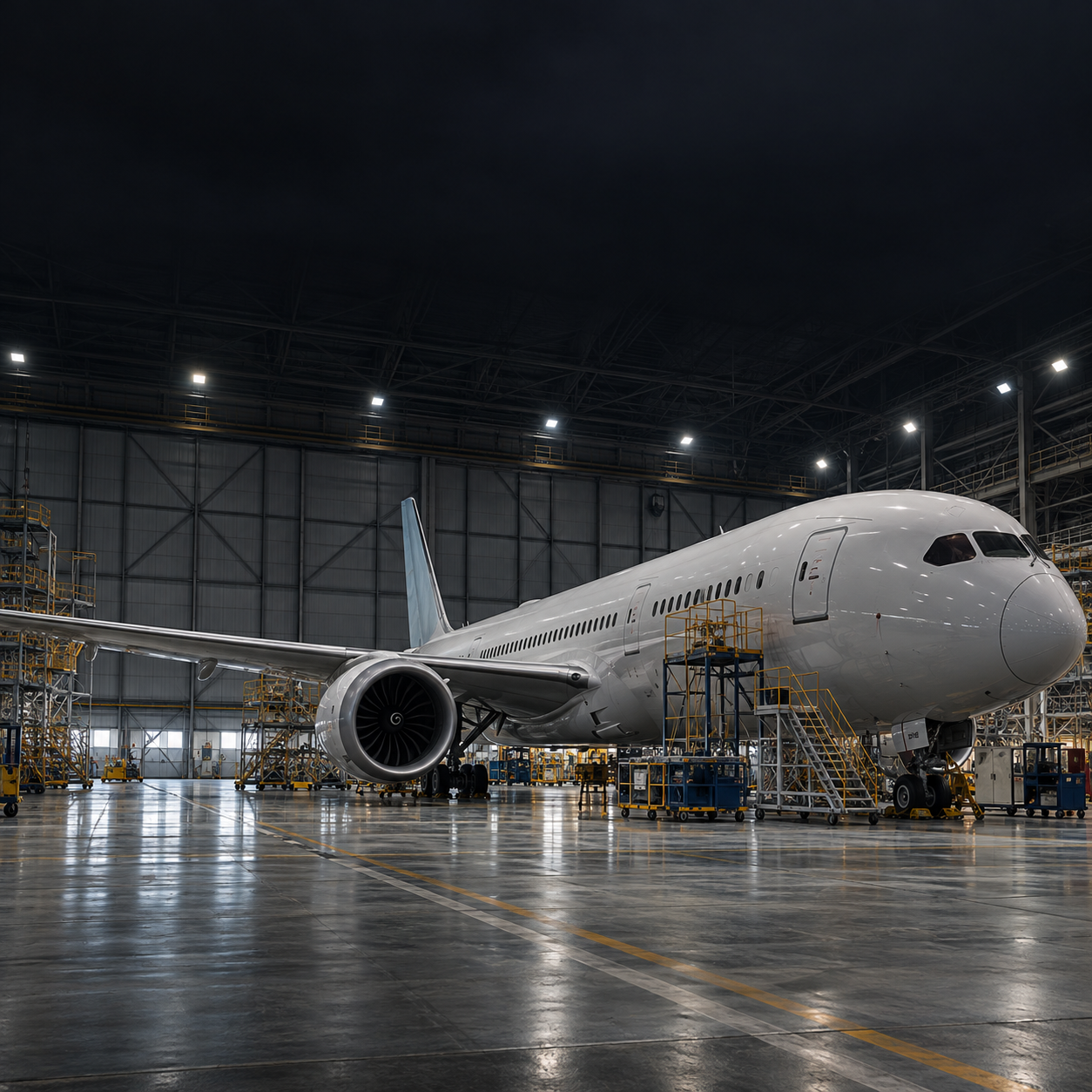 Aerospace Manufacturing
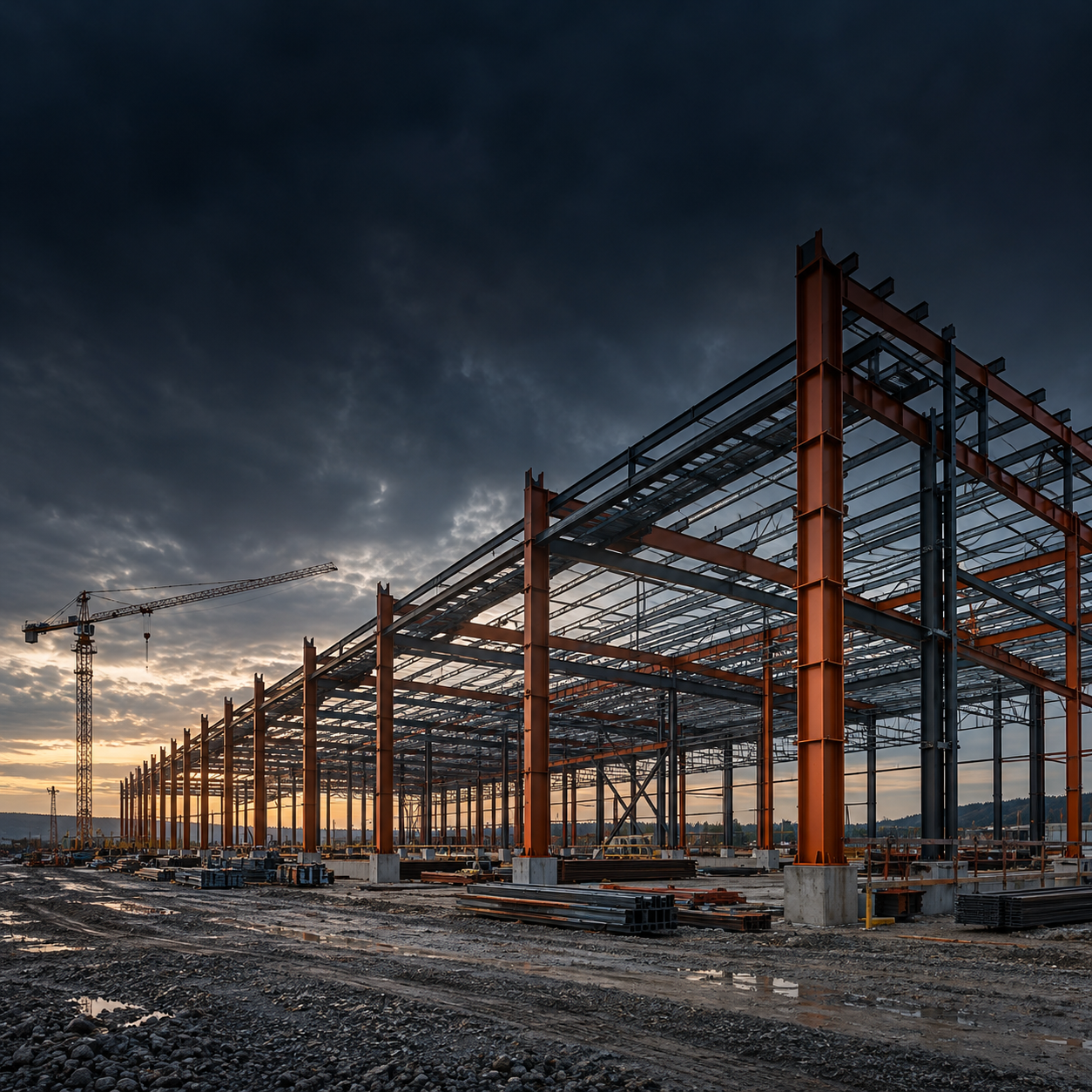 Construction & Infrastructure
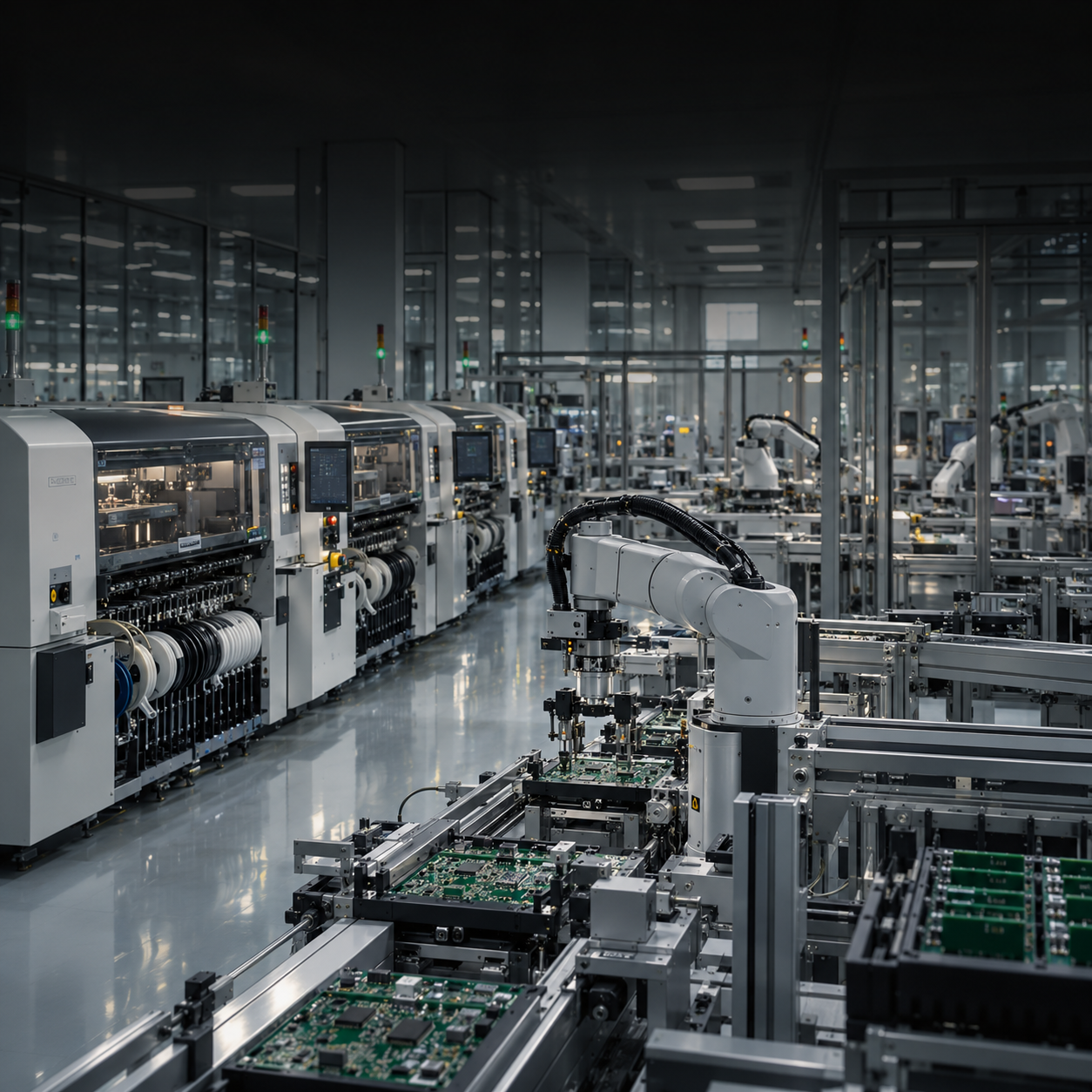 Electronics & Equipment
 Oil & Gas Industry
System Overview
Robotic Arms
Multi-axis arms capable of complex welding angles.
CNC Controllers
Programming tools that allow customised welding sequences.
Vision & Laser Sensors
For weld tracking and real-time correction.
User-Friendly Interface
Touchscreen panels for easy programming.
Safety Shields & Enclosures
To protect operators from hazards.
Models & Types
1Robotic Welding Systems
Widely used in automotive plants for large-scale, repetitive welding.
2CNC Welding Machines
Ideal for programmed precision welds in industries like electronics.
3Gantry Welding Systems
Heavy-duty systems for shipbuilding and large infrastructure projects.
4Orbital Welding Machines
Specialised for pipes and aerospace components that require 360° accuracy.
5Hybrid Welding Systems
Combine laser and arc welding for high precision and strength.